What Is

Circular Economy

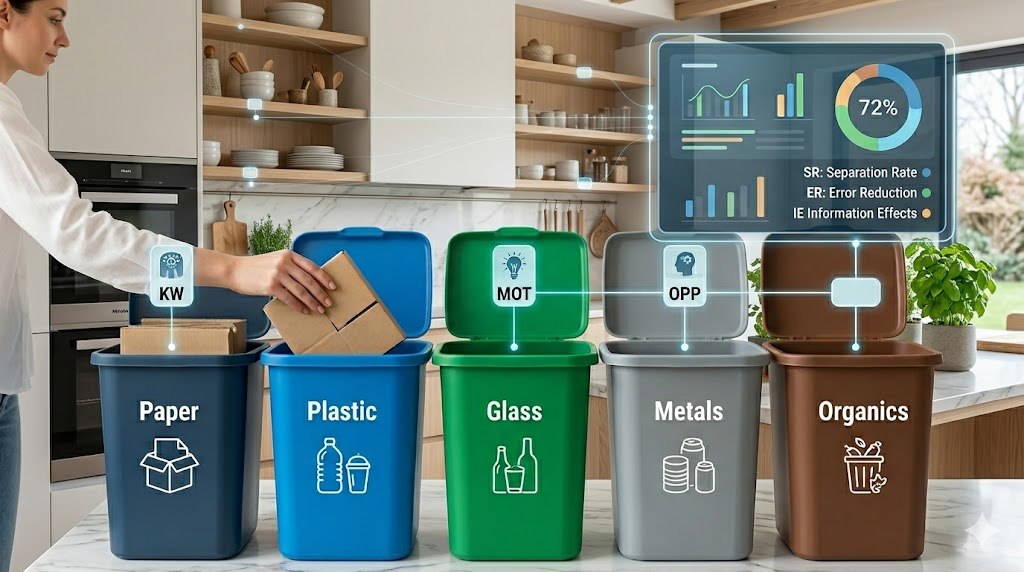
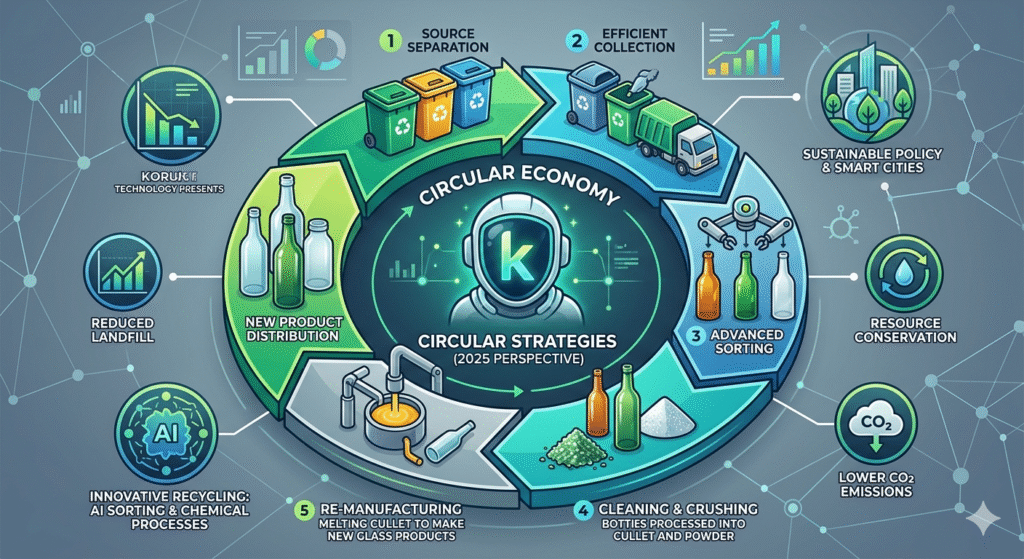
Circular Economy is a model of production and consumption based on sharing, leasing, reusing, repairing, refurbishing and recycling existing materials and assets. Also Building a circular economy in cities can bring economic, social, and environmental benefits; Circular Economy in cities allows reduction of congestions, elimination of waste, lowering costs, increasing productivity and growth which will allow cities to thrive.


Our solution to support circular municipalities

Providing a framework for data collection to enable collaborative across stakeholders

Enabling transparent, traceable, auditable and purpose-built municipality circularity data;

Providing a platform to automate data analytics and insight generation from the collected data;

Providing a library of use cases and information for municipalities to utilize circular economy solutions.

How it Works?

How Koral Works?


Municipalities can publish their dynamic reports to the public;
utilization various insight tools to find the best way to invest
various sustainable development goals and policies;
various suggestions based on municipal goals, assets and budget.
OUR BLOG

Check our other top quality content posts on the blog.

February 1, 2026

Evaluating Circular Economy in Municipal Composting and Urban Agriculture: What Methods Work, and What’s Missing (Latin America Focus)

A concise overview of evaluation methods for circular economy in municipal composting linked to urban agriculture, with key gaps and insights for Latin America.
January 15, 2026

Black Soldier Fly Larvae Turn Organic Waste into Functional Aquafeed Ingredients

Study shows black soldier fly larvae convert organic waste into nutrient-rich biomass for aquafeeds, including measurable polyphenol transfer from plant wastes.
January 1, 2026

Insect Larae Plastic Degradation: Waxworms & Mealworms

Explore how waxworms, mealworms, and superworms—plus their gut microbes—break down plastics like PE and PS, and what limits remain.